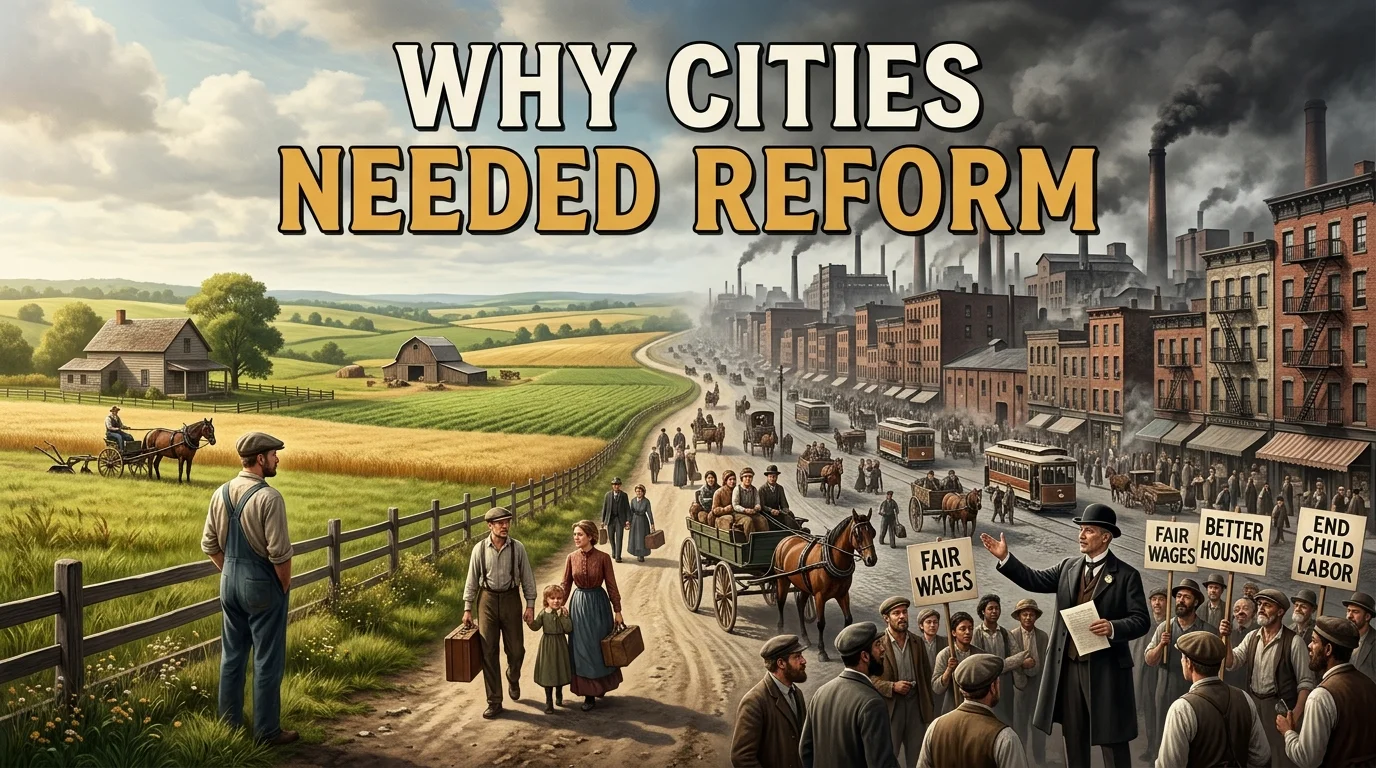
Quick Answer: “Migration from farms to cities encouraged the growth of reform movements because overcrowded, congested cities were in greater need of reform. As more people moved to urban areas for factory jobs and better opportunities, cities faced serious problems with housing, sanitation, public health, working conditions, and political corruption.”
Have you ever wondered how moving from one place to another can change an entire society? In American history, the movement of people from rural farms to growing cities helped create major social and political changes. As the United States became more industrialized, thousands of people left rural communities in search of better-paying jobs, improved opportunities, and a different way of life.
However, city life wasn’t always as promising as people expected. Many growing cities struggled to provide enough housing, clean water, proper sanitation, and safe working conditions for their expanding populations. These problems made it clear that changes were needed.
This is why understanding how did migration from farms to cities encourage the growth of reform movements is important. The answer connects urbanization, industrialization, and the Progressive Era, a period when Americans worked to make government, workplaces, and communities safer and fairer.
How Did Migration From Farms to Cities Encourage the Growth of Reform Movements?
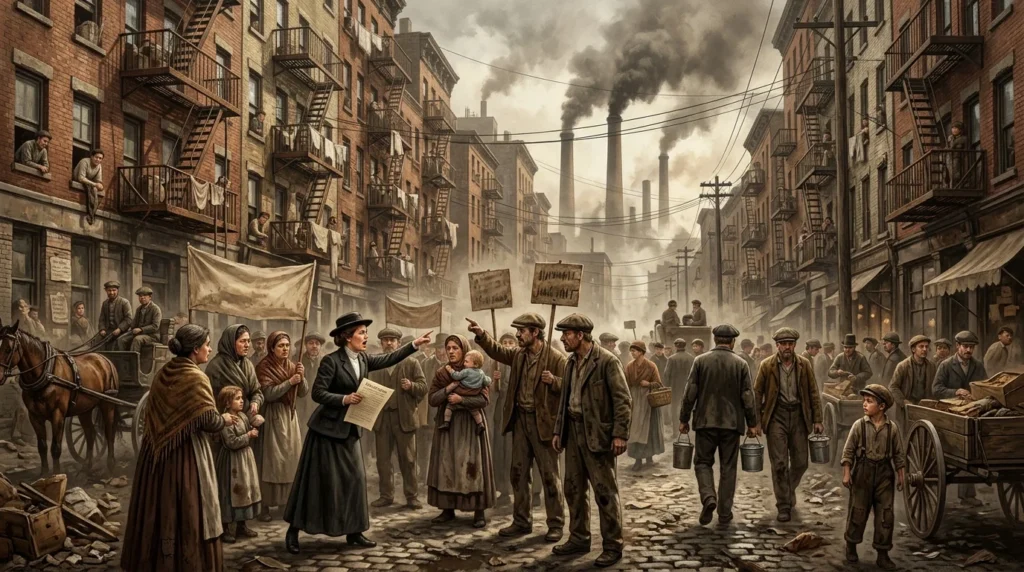
The main reason was that rapid urban growth created serious problems that required social and political reform.
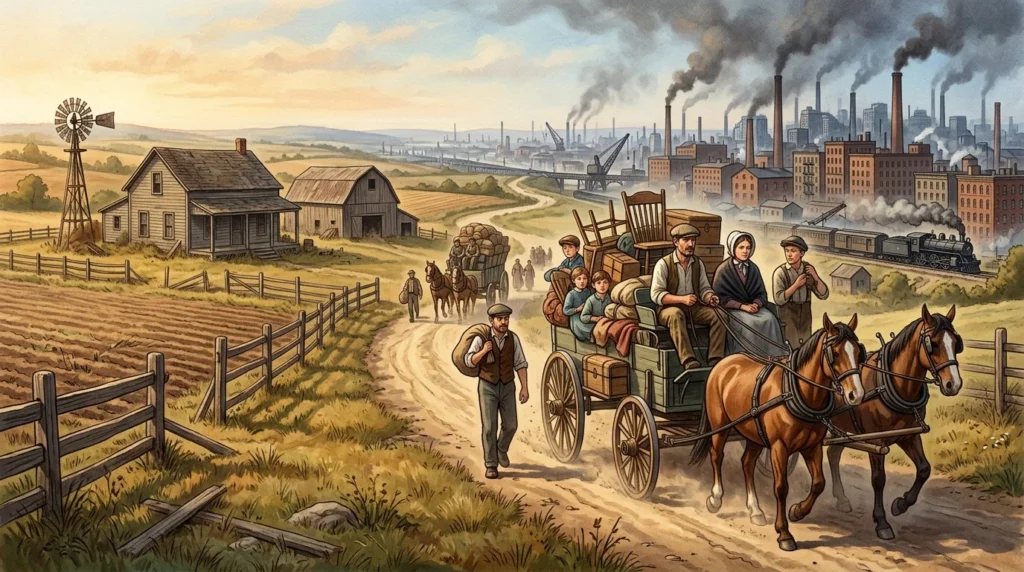
During the late 1800s and early 1900s, industrial growth created more factory jobs in American cities. Many rural Americans moved to these urban areas to find work. At the same time, immigrants from other countries also arrived in large numbers.
As the population increased, cities often struggled to keep up with the demand for housing, transportation, sanitation, schools, and other essential services.
According to the Library of Congress, American cities grew by about 15 million people between 1880 and 1900, largely because of industrial expansion and immigration. This rapid growth contributed to problems such as overcrowding, pollution, and inadequate sanitation.
These conditions encouraged reformers to demand practical solutions, including:
- Better housing and safer buildings.
- Improved sanitation and access to clean water.
- Safer working conditions and fairer labor practices.
- More honest and accountable local governments.
- Better education and social services for working-class families.
In simple terms, more people moving into cities meant more urban problems, and those problems created a stronger need for reform.
What Was the Progressive Era?
The Progressive Era generally refers to the period from the 1890s through the 1920s. During this time, reformers worked to address problems associated with industrialization, urbanization, economic inequality, and political corruption.
Many Americans believed that government should do more to protect ordinary people from unsafe workplaces, dishonest business practices, and poor living conditions.
The reform movement included several major areas of change.
1. Urban Reform
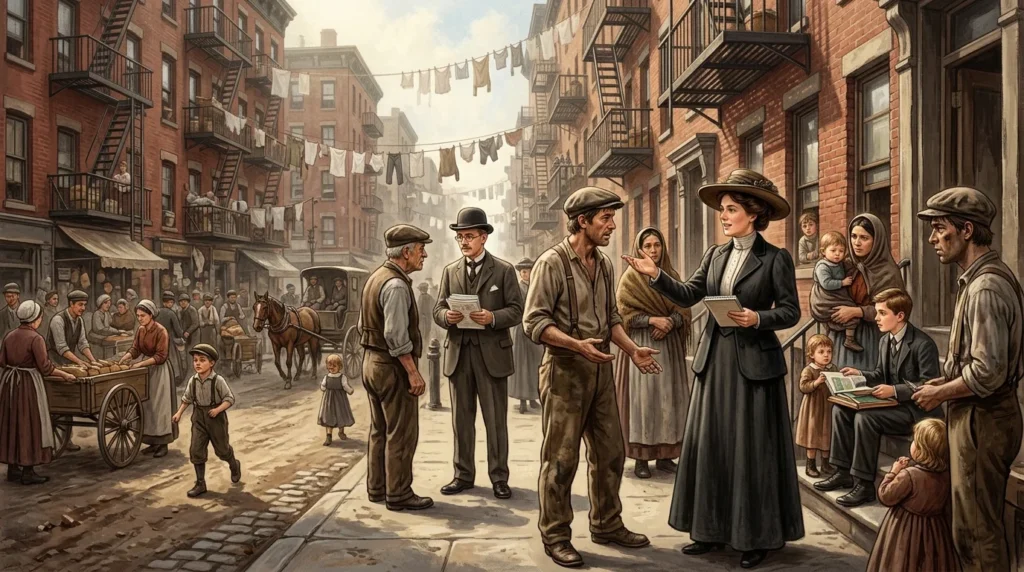
Rapid population growth left many city residents living in crowded apartment buildings called tenements. Some buildings had poor ventilation, limited access to clean water, and inadequate sanitation.
Reformers pushed for better housing regulations, public health programs, and improvements to city infrastructure.
For example, New York’s Tenement House Act of 1901 introduced requirements intended to improve housing safety and sanitation.
2. Labor Reform
Factory workers often faced long working hours, low wages, dangerous machinery, and unsafe workplaces. Some children also worked in factories and other difficult conditions.
Labor reformers and organizations pushed for safer workplaces, shorter working hours, better wages, and restrictions on child labor.
3. Political Reform
In some cities, political machines controlled local politics through networks of party leaders and supporters. Although these organizations sometimes helped residents access jobs and services, they could also encourage corruption and misuse of public resources.
Progressive reformers supported measures designed to make government more transparent and give voters a greater voice.
4. Public Health and Education Reform
Growing urban populations increased pressure on public health systems and schools. Reformers advocated better sanitation, health services, educational opportunities, and community support programs.
The Library of Congress identifies urban reform, worker protections, consumer protection, and election reform as important parts of the Progressive Era.
Why Did City Problems Encourage Reform Movements?
The connection between migration and reform becomes easier to understand when we look at the challenges people experienced in cities.
Overcrowded housing: More residents meant greater demand for affordable housing. Poor living conditions encouraged campaigns for stronger building standards.
Unsafe workplaces: Industrial growth created jobs, but many workers had limited protection against workplace hazards. Labor organizations called for better conditions.
Poor sanitation: Some neighborhoods lacked adequate sewage systems, clean water, and waste collection. Reformers pushed local governments to improve public services.
Political corruption: Rapidly growing cities needed effective public administration. Reformers sought to reduce corruption and make local government more accountable.
Economic inequality: Industrialization created wealth for some Americans while leaving many workers struggling to afford basic necessities. Reformers called for measures to address these inequalities.
These challenges showed that individual effort alone could not solve every problem. Communities needed better laws, stronger public services, and more responsible government.
Examples of Reformers Who Responded to Urban Problems
Several well-known reformers helped bring attention to the challenges created by rapid urban growth.
Jane Addams and Hull House
Jane Addams co-founded Hull House in Chicago in 1889. The settlement house provided educational programs, social services, and community support, particularly for immigrant and working-class families.
Her work demonstrated how local organizations could help people facing poverty and limited access to education and healthcare.
Jacob Riis and Housing Conditions
Journalist and photographer Jacob Riis documented the difficult living conditions experienced by many poor residents of New York City. His work helped bring public attention to overcrowded tenements and the need for housing reform.
Progressive Political Reformers
Other reformers focused on reducing corruption, regulating powerful businesses, and improving democratic participation. Their efforts contributed to changes in government oversight, consumer protection, and election procedures.
These examples show that urban problems encouraged people to organize, investigate social conditions, and demand meaningful changes.
Why Might Someone Want To Open An IRA As Their Retirement Account?
Why Are the Other Multiple-Choice Answers Incorrect?
If you’re answering this question for a history assignment or online quiz, it helps to understand why the other choices do not fit as well.
Option 1: Political machines were more active on farms than in cities.
This is incorrect. Political machines were particularly associated with urban politics, where large populations and party organizations created opportunities for machine politics.
Option 2: Overcrowded, congested cities were in greater need of reform.
Correct answer. Migration increased urban populations and intensified problems involving housing, sanitation, public health, working conditions, and government services. These problems encouraged reform movements.
Option 3: Urban workers were less likely to read and write than farm laborers.
This is not the main historical explanation. Literacy varied among individuals and communities, and the growth of reform movements cannot be explained simply by comparing literacy rates between urban and rural workers.
Option 4: American farmers feared losing their farms if they joined reform movements.
This does not explain the central connection between migration and urban reform. The key issue was the growing need to address the problems associated with expanding cities.
What Is the Main Lesson From This Historical Change?
The movement from farms to cities was about more than people changing where they lived. It transformed American society.
As cities expanded, problems that might once have affected individual households became larger community concerns. Poor housing could threaten public health across a neighborhood. Unsafe factories could endanger hundreds of workers. Corrupt city governments could affect entire communities.
These shared challenges encouraged people to organize and demand changes in laws, public services, and government practices.
The growth of reform movements during the Progressive Era demonstrates how major economic and population changes can create pressure for social and political change.
FAQs
1. What was the main reason migration from farms to cities encouraged reform movements?
The main reason was that rapid urban population growth caused overcrowding, poor sanitation, unsafe housing, and other problems that required social and political reform.
2. What was the Progressive Era in American history?
The Progressive Era was a period, generally dated from the 1890s through the 1920s, when reformers worked to address political corruption, unsafe working conditions, poor housing, and other social problems.
3. How did industrialization contribute to urbanization?
Industrialization created factory jobs and other employment opportunities in cities. These opportunities attracted rural Americans and immigrants, contributing to rapid urban population growth.
4. What were some examples of urban reform?
Examples included improving housing standards, expanding sanitation services, protecting workers, supporting public education, and making local governments more accountable.
5. Who were some important Progressive Era reformers?
Important figures included Jane Addams, who helped establish Hull House, and Jacob Riis, who documented poor urban housing conditions. Many other reformers worked on labor rights, political accountability, public health, and women’s suffrage.
Conclusion
So, how did migration from farms to cities encourage the growth of reform movements? political machines were more active on farms than in cities. overcrowded, congested cities were in greater need of reform. urban workers were less likely to read and write than farm laborers. american farmers feared losing their farms if they joined reform movements. The answer is straightforward: as more Americans moved to cities, rapid population growth created serious problems that demanded solutions.
Overcrowded housing, inadequate sanitation, unsafe working conditions, and political corruption encouraged reformers to push for better laws, improved public services, and greater accountability.
The correct multiple-choice answer is: Overcrowded, congested cities were in greater need of reform.
Understanding this connection helps explain why urbanization played such an important role in shaping modern American society.

Sushil Kumar is a results-focused digital marketer specializing in SEO, content planning, and AI-powered workflows. His platform offers easy-to-use AI prompts for creating professional photos.